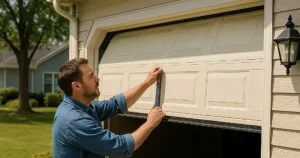
A squeaky garage door can quickly go from a small annoyance to a daily frustration, especially during quiet mornings or late evenings. That high-pitched sound may not seem like a serious issue at first, but it is often a sign that something within the system needs attention and in many cases, professional garage door service can help identify the root cause early.
Garage doors are made up of multiple moving parts that must work together smoothly. When even one component starts to wear out, dry up, or shift out of place, noise is usually the first warning sign.
For homeowners in Sussex, WI, this issue is even more common due to changing weather conditions. Cold winters can cause metal parts to contract and stiffen, while humidity during warmer months can lead to rust and corrosion. These environmental factors put extra strain on garage door systems throughout the year.
A squeaky garage door does not always mean a major repair is needed, but it should never be ignored. Understanding what causes the noise can help prevent more serious problems and keep the door operating safely and efficiently.
Is a Squeaky Garage Door Normal or a Warning Sign
A small amount of noise can be normal, especially if the garage door has not been used for a period of time. However, consistent squeaking is usually a sign that something is not functioning properly.
Garage doors rely on balance, alignment and smooth movement. When friction increases between parts, whether from lack of lubrication, wear, or damage, it often results in squeaking or grinding sounds.
In Sussex, seasonal temperature swings can make this more noticeable. During winter, lubricants may thicken and lose effectiveness. In warmer months, moisture can accelerate wear on metal components.
In many cases, a squeak is an early warning. Addressing it early can prevent larger issues such as broken springs, damaged rollers, or misaligned tracks.
For more helpful tips, check out the blog “How to Stop a Garage Door From Squeaking.”
7 Common Reasons Your Garage Door Is Squeaking
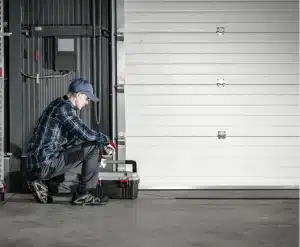
1. Lack of Proper Lubrication
This is the most common reason for garage door noise. Over time, lubrication on moving parts naturally wears off.
Without proper lubrication, components such as rollers, hinges and springs begin to create friction as they move. This friction produces the squeaking sound many homeowners notice.
In colder climates like Sussex, WI, lubrication can dry out faster or become less effective during winter months.
Tip: Applying a garage door-specific lubricant every few months can help reduce friction and keep parts moving smoothly.
For more insights, read the blog “Why Is My Garage Door Squeaking When It Opens.”
2. Worn or Aging Rollers
Rollers play a key role in guiding the garage door along its tracks. As they age, they can become less efficient and more noisy.
Metal rollers tend to be louder as they wear down, while nylon rollers are quieter but still require replacement over time.
Signs of worn rollers include uneven movement, vibration and increased noise during operation.
What to check: Look for visible wear, cracks, or rough rolling motion.
For a deeper understanding, explore the blog “What Causes Garage Door Squeaking Over Time.”
3. Loose Hinges or Hardware
Garage doors go through frequent cycles of opening and closing. Over time, this constant motion can loosen bolts, screws and hinges.
When hardware becomes loose, parts may shift slightly out of position. This creates extra movement and friction, which leads to squeaking or rattling sounds.
Even small loose components can affect the overall performance of the system.
Tip: Periodic visual inspections can help identify loose hardware before it becomes a bigger issue.
4. Rust and Corrosion
Rust is a common issue in areas with fluctuating temperatures and moisture, such as Sussex, WI.
When metal components develop rust, their surfaces become rough. This increases resistance as parts move against each other, causing noise and reducing efficiency.
Rust can also weaken structural components over time, leading to more serious mechanical problems.
What to check: Look for orange or brown discoloration, flaking, or rough textures on metal parts.
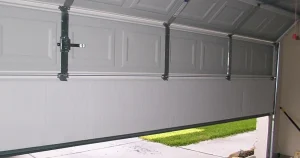
5. Misaligned Tracks
Tracks guide the garage door during operation. If they become bent or misaligned, the door may not move evenly.
This can result in squealing, scraping, or grinding noises as the rollers struggle to move along the track.
Track misalignment can also cause uneven wear on other components, increasing the risk of damage.
Important: Adjusting tracks requires proper tools and experience. Improper handling can worsen the issue or create safety risks.
6. Garage Door Springs Wearing Out
Garage door springs are responsible for carrying the weight of the door. They are under high tension and play a critical role in safe operation.
As springs wear out, they may begin to produce squeaking or creaking sounds. This can indicate that the spring is losing strength or becoming unbalanced.
A worn spring can eventually fail, making the door difficult or unsafe to operate.
Safety note: Spring repairs should always be handled by trained professionals due to the risk involved.
7. Aging Garage Door Opener
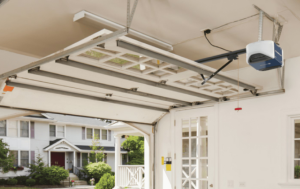
In some cases, the noise may come from the garage door opener rather than the door itself.
Older openers may struggle to lift the door efficiently, especially if internal components are worn or the system is out of balance.
Chain-driven openers can become noisy over time, while belt-driven systems are typically quieter but still require maintenance.
What to listen for: Humming, grinding, or excessive vibration during operation.
What Sounds Should You Never Ignore
Not all garage door noises are equal. Some sounds can indicate more serious issues that require immediate attention.
Key warning signs include:
- Loud grinding or screeching sounds
- Jerky or uneven door movement
- Shaking or vibration during operation
- A door that feels unusually heavy when lifted manually
These symptoms often point to problems with springs, alignment, or structural components. Ignoring them can lead to more extensive repairs or safety concerns.
How Sussex Weather Impacts Garage Door Noise
Garage doors in Sussex, WI are exposed to a wide range of environmental conditions throughout the year.
Cold Winters:
Metal parts contract and lubrication can thicken, making movement less smooth.
Humidity and Moisture:
Increased moisture levels can lead to rust and corrosion on metal components.
Seasonal Changes:
Expansion and contraction can affect alignment, causing parts to shift slightly over time.
Because of these factors, garage doors in Sussex often require more frequent maintenance compared to areas with stable climates.
How to Safely Inspect Your Garage Door
A basic inspection can help identify early signs of trouble without performing any risky repairs.
During a visual check, look for:
- Signs of rust or corrosion on metal parts
- Loose or missing bolts and screws
- Worn or damaged rollers
- Uneven gaps or misalignment in tracks
- Unusual movement when opening or closing
Listening carefully during operation can also provide clues. Changes in sound often indicate that something within the system needs attention.
Important: Avoid touching high-tension components such as springs or cables.
Simple Maintenance Tips to Prevent Garage Door Squeaking
A consistent maintenance routine can prevent most noise-related issues and keep the system running smoothly.
Every 3–6 months:
- Lubricate moving parts such as rollers, hinges and springs
- Inspect components for visible wear
- Clean debris from tracks
Before winter:
- Check lubrication to ensure it performs well in colder temperatures
- Inspect for rust or early signs of wear
Annually:
- Schedule a professional inspection to ensure all components are functioning correctly
Regular maintenance helps reduce noise, improve performance and extend the lifespan of the garage door.
Common Mistakes That Make Garage Door Noise Worse
Some common mistakes can unintentionally increase noise or cause further damage.
These include:
- Using the wrong type of lubricant
- Applying excessive lubricant, leading to buildup
- Ignoring early warning signs
- Attempting high-risk repairs without proper tools
- Skipping routine maintenance
Avoiding these mistakes can help maintain a quieter and more reliable garage door system.
When Should You Call a Professional in Sussex, WI
While basic maintenance can help with minor issues, certain problems require professional attention.
Consider contacting a professional if:
- Squeaking continues after lubrication
- Springs or cables show visible wear
- The door moves unevenly or feels heavy
- The opener struggles or makes unusual noises
Professional service ensures that issues are diagnosed correctly and repaired safely, reducing the risk of further damage.
Average Cost Insight for Garage Door Repairs
Garage door repair costs vary depending on the type and severity of the issue, including problems related to the garage door opener, which can affect overall performance.
- Basic maintenance services are generally low in cost
- Replacing parts such as rollers or hinges typically falls into a moderate range
- Repairs involving springs or a garage door opener may require a higher investment
Addressing problems early is often more cost-effective than waiting for a complete failure.
Why Regular Garage Door Maintenance Matters
Routine maintenance is essential for keeping a garage door system in good condition, whether it is a residential setup or a commercial overhead door used more frequently in business settings.
Key benefits include:
- Quieter and smoother operation
- Improved safety for daily use
- Longer lifespan of components
- Reduced likelihood of unexpected breakdowns
A well-maintained garage door also adds convenience and reliability to everyday routines.
Don’t Ignore a Squeaky Garage Door
A squeaky garage door may seem like a minor issue, but it often signals underlying wear or maintenance needs, especially for a residential garage door that is used daily.
For homeowners in Sussex, WI, staying proactive is especially important due to seasonal weather changes. Regular inspections, proper lubrication and timely professional service can prevent small issues from turning into costly repairs.
Taking early action helps keep a garage door safe, quiet and dependable throughout the year.
Quick Answer: Is a Squeaky Garage Door a Problem
Yes, a squeaky garage door is often an early sign of wear, lack of lubrication, or misalignment. While it may seem minor, ignoring it can lead to more serious and costly repairs over time.
Trusted Garage Door Service in Sussex, WI
For homeowners looking for reliable and professional support, Anytime Garage Doors is known for providing dependable garage door maintenance and repair services in Sussex, WI. Whether dealing with persistent noise or routine upkeep, experienced technicians can help ensure the system stays safe and operates smoothly. Contact us today or give us a call to schedule a professional inspection and enjoy a quieter, more reliable garage door.