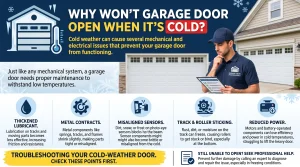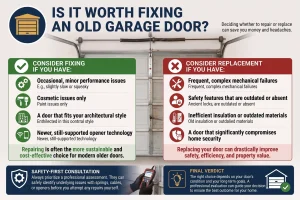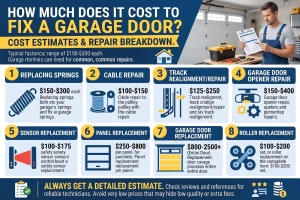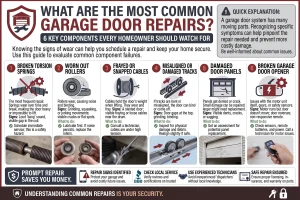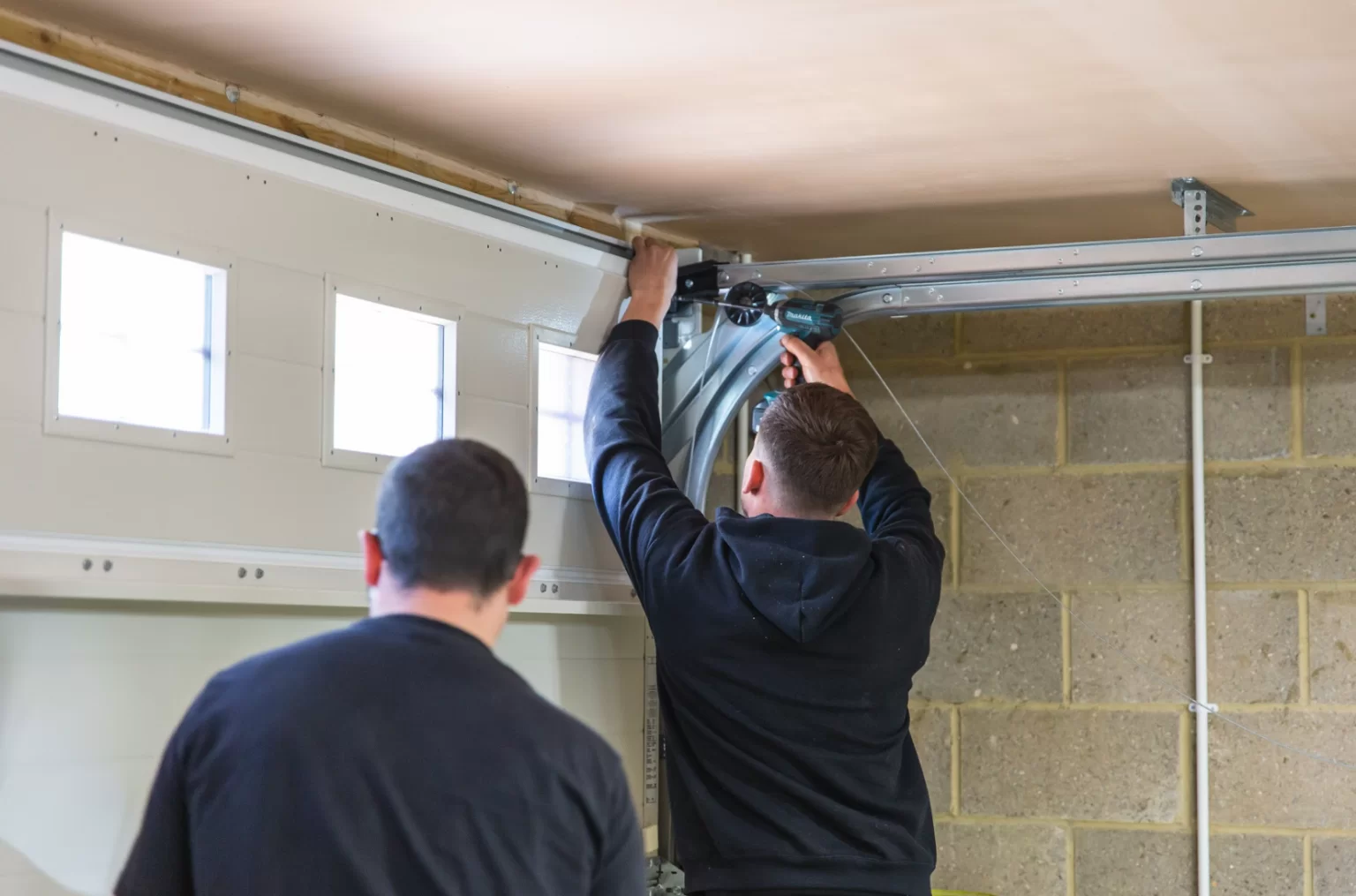
A stuck garage door can seem like a minor problem at first, but it can quickly become a safety concern if the system is under strain or out of balance. Doors are heavy, move with stored energy, and can shift suddenly when something inside the system fails.
Knowing the safest way to troubleshoot a stuck garage door helps you avoid unnecessary risk while deciding when urgent service is needed. This guide explains how professionals assess stuck doors, what warning signs matter most, and when emergency garage door repair is the safest next step in Sussex, WI.
Is It Safe to Troubleshoot a Stuck Garage Door Before Calling for Service?
A stuck garage door can shift suddenly, especially if you try to force movement. The safest approach is to treat the door like heavy equipment and focus on identifying risks rather than pushing it.
Safe troubleshooting should stay focused and simple. It should answer two questions:
- Is this a safety hazard right now?
- A tilted, binding, or hanging door can drop or swing without warning.
- Is this an access issue or an urgent repair issue?
- Some stuck doors are inconvenient, but others pose an accident risk and may require emergency garage door repair.
Modern safety standards exist because doors are heavy, store energy, and can cause injury when movement becomes unstable. When the system senses unsafe conditions, controlled stopping and stable behavior matter more than forcing travel.
When these safety red flags appear, read our blog, Should You Force a Stuck Garage Door or Call for Emergency Repair? to see how professionals decide when to stop troubleshooting and schedule emergency service instead of forcing the door.
Safe Troubleshooting Steps to Take Before Emergency Garage Door Repair
If you have a stuck overhead door in Sussex, WI, the safest approach is to focus on identifying warning signs and recording what the door is doing. The steps below explain what you can safely check before calling for emergency garage door repair, without forcing the door or making risky adjustments.
Know When to Stop and Schedule Emergency Garage Door Repair
A door that binds, tilts, or suddenly releases is a safety risk because the door’s weight can shift into hardware that is not designed to support it in that position.
Schedule service when any of the following warning signs show up:
- Door pulls toward one side or travels crookedly
- A loud snap or bang happens, and the door suddenly feels heavier
- Door drops fast or will not stay in place
- Door starts, stalls, or reverses in short, uneven bursts
If you are tempted to force the door anyway, read Can Forcing a Stuck Garage Door Make the Problem Worse? to understand why this pattern often escalates into a larger repair.
Confirm Opener Command Response and Safety Behavior Before Service
Stuck-door trouble can come from the motor unit or the door system itself, so separating command response from actual door movement helps ensure the next step is safe.
Key symptoms to note before you call:
- Wall control works differently from the handheld remote
- The opener light changes, but the door does not move
- Door stops at the same point each attempt
Repeated patterns warrant a service visit to confirm the cause, as UL 325 entrapment protection rules emphasize safe stopping and reversal behavior when abnormal conditions are detected.
Check Track-Path Warning Signs That Point to Garage Off-Track Repair
Track friction or roller binding can interrupt smooth travel and escalate into garage off-track repair when the system keeps cycling under load.
Warning signs to note before you call:
- The door tilts during travel instead of moving straight up and down
- One side rises faster than the other during movement
- The roller sits outside the metal track channel
This condition can worsen quickly, so pause the operation and schedule service to restore alignment and confirm safe, controlled movement.
Recognize Spring-System Imbalance as a High-Risk Cause of a Stuck Door
Lift balance matters because the counterbalance system carries the door’s weight, and a failure can make the door suddenly heavy and unsafe.
Spring-related warning signs to note include:
- The door feels unusually heavy when starting to lift
- A loud snap or bang happens before the door stops moving
- A visible gap appears in the coil above the opening
- Uneven lifting shows one side of the door rising first
- Slack cables hang near the drums
- Signs of wear show on coils or mounting points
Because springs store energy and failure can cause serious injury, garage door spring repair and replacement should be handled by a professional garage door technician with the right tools and experience to perform the repair safely.
Watch for Cable and Drum Instability That Can Jam the Door
Cable-and-drum balance supports smooth lifting, and tension loss can make the door bind or stop suddenly, which is why garage door cable repair is often part of the repair process.
Symptoms that matter include:
- Slack cable showing on one side of the door
- Uneven travel where one side lags behind the other
- Catching or jerking as the door starts to move
Slack cables, uneven travel, and startup jerking point to cable imbalance, and the Door & Access Systems Manufacturers Association explains why unstable movement is a safety concern for garage door systems.
When a Stuck Door Becomes a Residential Garage Door Repair Priority
A stuck door at home affects more than access because it can expose security gaps, interrupt daily routines, and create safety concerns near vehicles and the opening in Sussex, WI.
Situations that signal higher urgency include:
- Partial opening that exposes the garage interior
- Inability to close that leaves the opening unsecured
- A closed position that traps a vehicle during a time-sensitive situation
- Severe binding that causes repeated stopping and restarting
Restoring stable, predictable movement in these situations helps protect the garage door system and reduces the risk of accidents around the opening, which is why residential garage door repair is recommended.
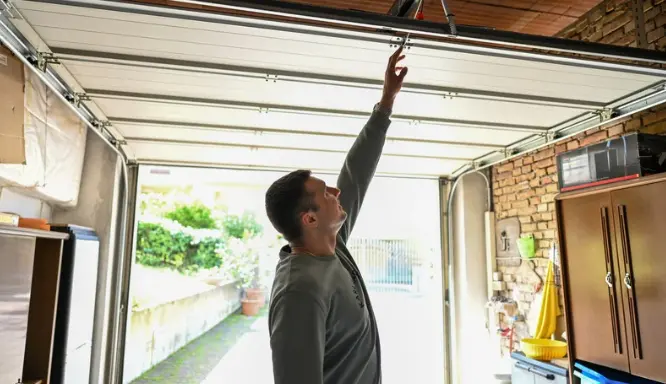
When Commercial Settings Raise the Stakes for Door Safety
A jammed door at a business is more than an inconvenience because a commercial garage door affects traffic flow, loading schedules, and workplace safety around active equipment and vehicles.
Commercial priority factors include:
- High daily cycle counts that accelerate wear
- Larger panels and higher door weight increase the risk
- Safety expectations around equipment movement and access control
- Downtime that disrupts deliveries and workflow
These conditions raise operational and safety exposure, which is why commercial garage door repair is treated as a priority when a jam affects access or creates a safety hazard near active work areas.
How Garage Door Installation Issues Can Lead to Sticking and Binding
Track spacing, alignment, and hardware fit can cause binding, even on a newer door, especially when the garage door type does not match the opening.
Installation-related causes professionals check include:
- Track spacing that creates a repeat bind point in the same spot
- Mismatched parts between panels, rollers, and track
- Opener setup that adds strain instead of supporting smooth travel
- The door balance does not match the door’s weight
Installation problems can cause repeated sticking, so garage door installation evaluations usually include a full movement review rather than focusing on a single symptom.
Next Steps After Safe Troubleshooting and Service Scheduling
Once the situation feels unsafe to push further, clear communication helps speed diagnosis and keeps the focus on stabilization, safe movement, and verified operation.
Details to share when you schedule service include:
- What you heard and when it started
- Door position is stuck open, stuck closed, or stuck mid-travel
- Uneven or angled appearance during movement
- Opener responds, but travel fails or stalls
- Recent storm, power event, or sudden noise before the issue
If you want to know how to share these details clearly and what to expect after you report them, read our blog on What Happens During an Emergency Garage Door Repair Call? for a step-by-step breakdown of the call flow, on-site checks, and safe verification.
What to Expect From Professional Garage Door Services During a Stuck-Door Assessment
A stuck-door assessment follows a clear process that identifies the cause, confirms safety risk, and verifies stable operation before the door is returned to normal use.
A typical assessment includes:
- Visual inspection of tracks, rollers, hinges, and mounting points
- Balance and lift review to confirm that springs store energy and release it in a controlled way
- Cable and drum review to confirm even lift and stable winding
- Control and safety review tied to operator response and safety behavior
- Documented plan for safe restoration and verification testing
When a door is stuck, unstable, or will not move safely, Clopay explains how emergency garage door service focuses on securing the opening, stabilizing the system, and restoring controlled operation before normal use resumes.
What Average Cost May Depend On After a Stuck-Door Event
When a stuck door leads to service, the average cost may depend on the door setup, the condition of key parts, and the scope needed to restore safe movement, not only the symptom you notice first.
Average cost may depend on:
- Door size, material, and the types of garage doors used at the property
- Involvement of spring systems, cables, rollers, or track correction
- Replacement process needed to restore safe travel and prevent repeat binding
- After-hours scheduling tied to emergency response needs
- Operation of your garage door after repairs, including verification cycles
- Ongoing maintenance services are recommended to reduce repeat problems
Regular maintenance supports long-term reliability by reducing premature wear and improving peace of mind after a first-time stuck event.
The Safest Way to Troubleshoot a Stuck Garage Door Is to Stop and Assess the Risk
A stuck overhead door is not the time for force or repeated attempts, especially when springs, cables, or track movement are involved. The safest troubleshooting focuses on clear symptom notes, stopping at danger signs, and scheduling the right response when conditions show urgency.
Anytime Garage Doors supports Sussex, WI, homeowners and businesses with reliable assessment and emergency garage door repair focused on safe stabilization, verified operation, and long-term reliability. If your door is stuck and you want a clear plan to restore safe movement, contact us today or give us a call to schedule service quickly.