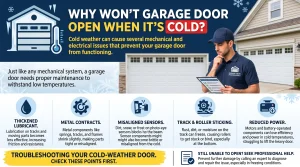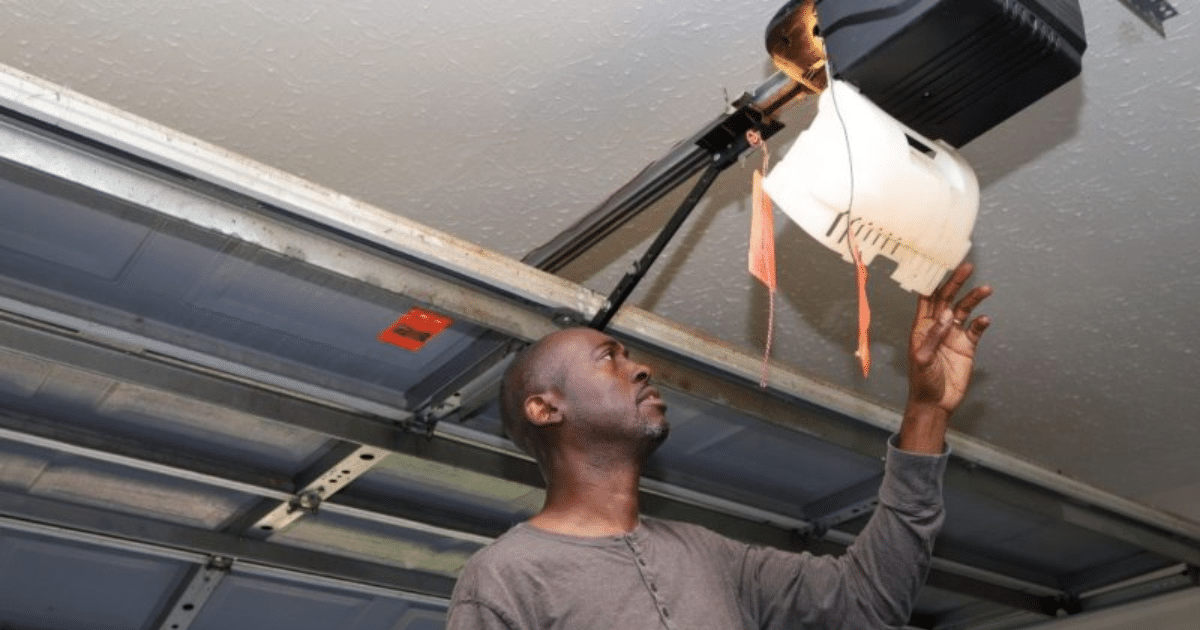
A stuck garage door can feel like a simple inconvenience at first, especially when you are in a hurry and just need it to move. In reality, forcing a door that resists movement can quickly turn a small issue into a serious mechanical and safety problem.
In many cases, what begins as a minor obstruction ends with an emergency call for garage door repair because the system is pushed beyond its safe limits. Understanding why force makes the situation worse helps homeowners know when to stop, protect the door, and avoid preventable damage.
What Can Go Wrong When You Force a Stuck Garage Door
A stuck door almost never happens without a reason. In most cases, the system is signaling that something is binding, overloaded, or unbalanced, which is why forcing movement can shift load into parts that are not designed to carry it and create a greater safety risk.
Common reasons a door stops moving normally include:
- The door’s weight is no longer balanced due to a change in the counterbalance.
- Rollers, hinges, or track areas are binding and causing jerky travel.
- The garage door system limits movement to reduce the risk of injury.
- The garage door opener senses abnormal resistance and stops the cycle.
- Worn hardware creates premature wear and increases overall strain.
For a clearer breakdown of how forcing a stuck door can lead to greater damage and increased risk, read our blog on Should You Force a Stuck Garage Door or Call for Emergency Repair?, which explains how professionals recognize stop-sign symptoms and confirm the safest next step.
How Forcing a Stuck Door Can Lead to Emergency Garage Door Repair
When a door is stuck, forcing it can create new damage faster than most homeowners expect. That is why emergency garage door repair often begins with stabilizing the opening before any repair work starts, especially in Sussex, WI, where winter cold can make worn hardware less forgiving.
The biggest risks of forcing a stuck door include:
- Sudden release near the opening, which increases the risk of accidents.
- Rapid shifts in the door’s weight can surprise anyone nearby.
- Partial jam turning into a hard bind, raising the chance of serious injury.
- Force spreads across multiple garage door parts rather than remaining isolated.
- Difficulty securing the door afterward, which often increases the urgency for emergency garage door repair during storms or late hours.
For a more specific safety reference tied to entrapment protection behavior in operator systems, review the federal requirements in 16 CFR Part 1211, which outlines general entrapment protection expectations for residential garage door operator systems.
Spring Failures That Get Worse When a Stuck Door Is Forced
Springs serve as the primary counterbalance, allowing a garage door to move with controlled effort. When that balance is disrupted, forcing movement can overload the system in seconds, which is why urgent service calls often involve a broken spring or broken garage door spring that makes the door feel impossible to lift.
Spring-related problems that commonly worsen when force is applied include:
- Stored energy is released suddenly when a spring breaks, increasing the risk of serious injury.
- Load shifting depends on the type of spring installed in the system.
- Uneven response between extension springs and a torsion spring when resistance is forced.
- An imbalanced spring tension that causes crooked lifting and binding during travel.
- A minor garage door spring issue is escalating into a full system failure.
Sudden energy release, uneven lifting, and binding are common outcomes when the spring balance is disrupted. When these conditions occur, garage door spring repair or replacement is required to restore proper balance and prevent further damage to the system.
Cable Problems That Escalate After a Forced Attempt
Cables are load-bearing components that keep the lift balanced on both sides of the door, not backup parts. When a door is forced, the cable path can shift or unwind, which quickly turns minor resistance into uneven travel and instability.
Ways forcing the door can escalate cable-related problems include:
- Cables slipping on the drum and changing lift timing from side to side.
- Uneven lifting on one side of the door causes racking and binding.
- Loose cables, snagging or twisting, which can turn a small issue into a sudden jam.
- Damage is spreading into the bottom bracket area, increasing the scope of repairs.
Uneven lift, binding, and sudden jamming often follow when cable alignment shifts under load. When these conditions appear, garage door cable repair is required to restore balanced operation and prevent additional damage.
How a Forced Attempt Can Knock the Door Off Track
A door can come out of its guided path when force is applied at the wrong moment, especially if the door is already binding or lifting unevenly. Once that shift occurs, rollers can climb or jam, causing the door to stop at an angle and increasing overall instability.
Ways off-track problems often worsen when force is used include:
- Rollers popping out of the track as the door twists under side load.
- Track alignment is changing just enough to cause repeated binding during movement.
- The door is wedging in the opening and becoming difficult to secure safely.
- Light rubbing can turn into a panel-edge pinch, damaging the door surface and the track area.
Twisting, repeated binding, and loss of track guidance signal that the door is no longer moving within its designed path. When these conditions occur, garage off-track repair is required to safely stabilize the door and prevent further system damage.

How Repeated Attempts Can Damage the Garage Door Opener
When a door is stuck, repeated commands from the wall control or remote are a common reaction. This behavior can create a second layer of damage inside the drive and control system, especially when the door is overloaded or no longer moving smoothly.
Ways repeated operation attempts can damage the opener system include:
- The garage door opener is straining against resistance and overheating during start cycles.
- Internal gears wear faster when the door fails to move at a consistent pace.
- Safety logic that triggers shutdown or lockout behavior complicates diagnosis.
- Inconsistent performance develops after multiple failed start attempts.
For a clearer breakdown of what can be safely evaluated versus what should be left to a professional when repeated commands, shutdown behavior, or erratic response appear, read What’s the Safest Way to Troubleshoot a Stuck Garage Door?, which explains how technicians assess system behavior without increasing risk.
Hidden Damage After Forcing a Stuck Door That Raises Repair Needs
A stuck door that gets pushed or pulled can develop hidden damage that does not show up right away. The door may move again, but new grinding, twisting, or faster wear can start afterward, which is why emergency garage door repair often includes checking related parts that were not part of the original problem.
Common damage patterns that may appear after a forcing attempt include:
- Hinges bending or brackets shifting and changing travel geometry.
- Roller wear is spreading across multiple contact points.
- Binding returning at the same spot during door opening cycles.
- Alignment is worsening, causing noise and uneven motion.
Hidden wear, repeated binding, and worsening alignment often expand the repair scope beyond the original fault. When these patterns appear, garage door repair may require a longer repair process because more parts need inspection and stabilization.
Residential Safety and Access Risks After Forcing a Stuck Door
A residential garage door is closely tied to daily schedules, vehicle access, and household security. When a stuck system is forced, the problem can escalate into a bigger shutdown, which is especially stressful during a Wisconsin winter or when the opening cannot be secured.
Reasons forced movement is especially risky in residential settings include:
- A partially stuck door becomes a safety hazard if it drops or shifts unexpectedly.
- Vehicles and stored items are sitting close to the path of travel.
- Door sections are being damaged, causing uneven sealing along the floor.
- The opening becomes harder to secure if the door stops mid-travel.
Unexpected movement, section damage, and security concerns often indicate the door is no longer safe to operate as-is. When these conditions appear, residential garage door repair focuses on restoring stable operation and safe access, not only getting the door moving again.
Commercial Door Risks When a Stuck Door Is Forced Under Heavy Load
A commercial garage door is often larger, heavier, and built for high-cycle use, so small problems can escalate quickly under load. When resistance builds, heavier garage doors can carry more momentum, increasing strain on the hardware and raising the risk of unsafe movement across a wider opening.
Reasons commercial systems face a higher risk when a stuck door is pushed or pulled include:
- Higher load intensifies damage when resistance is present.
- Larger openings increase the risk of injury if the door shifts suddenly.
- Jams are disrupting business access, traffic flow, and site security.
- Specialized parts and configurations varying by the types of garage doors used on-site.
When commercial doors jam, shift, or cannot be secured due to heavier loads and wider openings, read What Happens During an Emergency Garage Door Repair Call?, which explains how professionals stabilize the opening and verify safe operation before restoring full access.
Early Warning Signs That Often Appear Before a Door Gets Stuck
Most stuck-door events are not truly sudden. Small changes usually appear first and tend to repeat until the door finally stops, which is why garage door maintenance is often discussed after an emergency call, even when the immediate goal is restoring access.
Common signals that may show up before a jam include:
- New noises that repeat in the same spot during travel.
- Slightly uneven movement that gradually worsens over time.
- Small hesitations or delayed starts that become more frequent.
- Visible signs of wear on moving hardware or lift components.
For a maintenance reference that directly supports these warning signs, the International Door Association explains that routine visual checks can help identify wear on key components like springs, cables, rollers, and hinges before they lead to operational problems.
Services Commonly Needed After a Forced Garage Door Attempt
After a door is forced, the system may shift to a different repair category because parts may shift out of position or wear faster under strain. The right service depends on what changed, what is damaged, and how stable the system is after inspection.
Here are service paths that may be recommended after evaluation:
- Door stabilization services to secure the opening and reduce the chance of sudden drops or shifts.
- Track and roller realignment to correct twisting, racking, or binding caused by uneven load.
- Counterbalance correction when spring or cable tension is unbalanced after the incident.
- Opener system inspection to address strain, lockout behavior, or inconsistent response after stalled cycles.
- Garage door installation when panels or the structure are no longer dependable, and a new garage door is the safer long-term option.
For a safety reference tied to why professional evaluation, movement limits, and system stabilization matter after damage, the Federal Register explains how automatic garage door operator safety standards address abnormal resistance, unsafe travel, and operator response requirements.
When Forcing a Stuck Door Is Not Worth the Risk
A stuck garage door that gets forced can shift the load to the wrong parts, create safety hazards, and turn one failure into several interconnected problems. The safest outcome usually comes from professional diagnosis, controlled stabilization, and verified operation, especially when the door feels heavy, uneven, or unstable.
Anytime Garage Doors serves Sussex, WI with urgent support focused on safe system checks and reliable restoration without guesswork. We identify the true cause, explain the safest next step, and restore secure operation as quickly as conditions allow. Contact us or give us a call today for fast emergency help in your area.