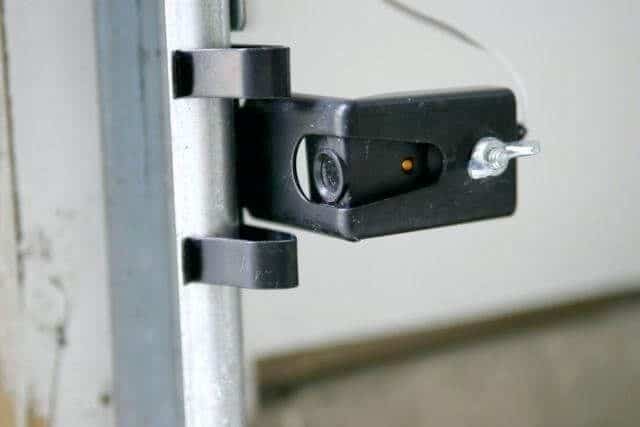
A yellow sensor light near the bottom of a garage opening usually indicates that the safety system is active, but does not fully confirm a clear path. Homeowners in Sussex, WI often notice this light after a door stops closing smoothly or begins reversing without a visible obstruction.
Understanding what this indicator is signaling helps determine whether the system is functioning normally or if garage door repair is needed to restore safe operation. This article breaks down local causes, system behavior, and professional checks used to confirm reliable closing performance.
Why Is the Yellow Light on Garage Door Sensor Showing Up?
A yellow sensor indicator often means the garage door sensor on the sending side has power, but the safety signal may not be confirming cleanly across the opening due to alignment, obstructions, or unstable wiring.
Common reasons this shows up include:
- The sending sensor is powered, but the receiving side is not consistently detecting the beam.
- Minor misalignment shifts the sensor out of its proper position.
- Dirty sensor lenses reduce signal clarity and create false interruptions.
- Wiring issues cause intermittent sensor communication.
- Sunlight glare or reflections create interference near the door’s edge.
If you want the full meaning of this indicator and what a professional checks before restoring safe closing, read our blog on Yellow Sensor Light on a Garage Door: What It Means and What to Check, which explains the key signals and inspection priorities.
Common Reasons a Garage Door Sensor Light Yellow Appears in Sussex, WI
Sender Sensor Indicator Behavior and Normal Operation
A yellow indicator can be a normal status light on the sending sensor, which means the unit has power even when the system is not confirming a stable safety signal across the opening.
Watch for these patterns:
- The yellow sensor light stays steady on one side near the floor.
- The opposite sensor shows no steady confirmation indicator.
- Closing attempts fail while opening still works normally.
- The opener starts a closed cycle, then stops quickly.
- Light behavior remains the same even when the beam path is clear.
Because these patterns reflect how safety sensors send and confirm a beam during closing, Chamberlain Group explains the role of sending and receiving sensors and what their indicator lights show.
Alignment Drift From Vibration, Track Movement, or Minor Impact
A sensor can drift out of alignment after vibration, track movement, or a minor bump, which can prevent the receiver from consistently reading the safety signal.
This is more likely when you notice:
- The door begins to close and reverses, with no clear obstruction.
- The bracket sits slightly angled rather than straight across.
- Symptoms begin after moving stored items near the opening.
- Failure repeats at the same point during the closing cycle.
- Sensor housing shifts when the bracket is lightly touched.
If alignment drift seems likely, read our blog on Can Garage Door Sensor Alignment Cause a Yellow Light, as this explains how professionals confirm misalignment versus other signal problems.
Lens Obstruction From Dust Film, Salt Residue, or Moisture Haze
A light film of dust, salt residue, or moisture haze on the sensor lens can weaken the signal and create inconsistent detection during closing.
Clues that support this cause:
- Haze, spotting, or buildup appears on the lens near the floor.
- Reversals happen even when the opening looks clear.
- Trouble tends to surface more during wet weather or in winter.
- Sensor indicators shift between steady and unstable behavior.
- Problems start after sweeping, drywall dust, or storm debris.
In these cases, service typically focuses on restoring clear signal detection and verifying stable closing behavior afterward.
Wiring Looseness, Pinched Cable, or Intermittent Connection
Loose terminals, pinched routing, or worn wiring can create an intermittent connection that breaks sensor communication without warning.
Signs that often point here:
- The issue comes and goes without a predictable pattern.
- Light behavior changes when a wire is gently disturbed.
- The door works for a few cycles and then fails again.
- Symptoms begin after work near the opener or wall routing.
- Performance worsens during vibration or temperature swings.
Because these symptoms often trace back to unstable wiring and poor terminal contact at the opener, a garage door opener and operator service helps verify sensor wiring continuity and secure safety-circuit connections.
Sunlight Glare and Reflection Interference at Certain Times of Day
Direct sunlight or reflective glare can interfere with the receiver’s ability to read the safety signal, especially at certain times or during certain seasons in Sussex.
You may be dealing with this when:
- Failure happens around the same bright time window each day.
- Closing becomes unreliable while opening remains normal.
- The operation improves once the sun angle shifts.
- Reflective surfaces near the opening increase interruptions.
- Cloudy days reduce the issue significantly.
To address glare-related problems, professionals verify the timing pattern and confirm beam stability under real lighting conditions.
Low Voltage, Power Fluctuations, or Opener Board Signal Issues
Unstable low-voltage output or control problems can prevent sensors from communicating consistently, even when the opener appears to be powered.
Typical symptom clues include:
- Symptoms begin after an outage, surge, or flicker event.
- Sensor indicators exhibit inconsistent behavior across repeated cycles.
- Opener seems fine until a closing run is attempted.
- Reversals occur without bracket movement or visible obstruction.
- The issue clears briefly, then returns.
When this is suspected, diagnostics focus on confirming stable power delivery and reliable control response during operation.
Sensor Age, Internal Wear, or Compatibility Problems After Replacement
Sensors can develop internal wear or compatibility issues over time, leading to unreliable detection even when alignment and wiring are confirmed.
Here’s what usually shows up:
- The problem continues after wiring and alignment checks are completed.
- Sensors look intact, yet detection stays inconsistent.
- Issues begin after a sensor swap or opener change.
- The operation becomes intermittent instead of failing the same way each time.
- Light behavior does not match the expected pattern for that model.
At that point, technicians verify that the parts for the opener are correctly matched and confirm whether sensor replacement is truly necessary.
Sensor Light Color Patterns and What They Typically Indicate
Sensor light patterns can help narrow down the cause quickly, because garage door sensor lights may change during closing due to beam strength, alignment stability, or wiring conditions.
Common patterns and what they usually suggest include:
- Yellow steady and green steady: Normal operation with a stable beam path.
- Yellow steady and no green light: Receiver is not confirming the beam, which can relate to alignment drift, obstruction, or signal loss.
- Yellow flickering or blinking: Beam stability is inconsistent due to vibration, lens film, or bracket movement.
- Orange light or red light on one sensor: Some models use different colors for status or fault states, so the pattern may indicate a sensor-side condition that requires professional review.
- Lights change only in bright sunlight: Glare or reflections overwhelm the receiver, creating interference.
- Lights look normal, but the door will not close: Opener logic, safety-circuit wiring, or other technical issues may be overriding the sensor’s normal behavior.
Matching the pattern to the symptom supports faster troubleshooting and helps a professional garage door technician confirm the most likely cause and inspection path.
What to Check When the Garage Door Sensor Light Is Yellow and Will Not Clear
A yellow sensor indicator that will not clear usually means the safety signal is not being confirmed consistently, so the system cannot complete normal closing with stable entrapment protection.
These conditions are commonly observed:
- Sending and receiving sensors fail to maintain a steady infrared beam.
- Indicator lights shift during closing attempts rather than remaining stable.
- Sensor brackets are no longer positioned squarely near the opening.
- Lens surfaces show dust buildup or debris that disrupts signal clarity.
- Wiring paths include loose or compressed sections that interrupt communication.
For a clearer explanation of what a yellow sensor light indicates during professional testing and how safe closing is verified, read How Do You Test a Garage Door Sensor With a Yellow Light, which outlines the inspection steps used to restore reliable operation
Because these checks align directly with entrapment protection expectations and safe operator behavior, UL Standards & Engagement (ULSE) explains why automatic garage door standards matter and how they support safer closing performance.
Service-First Diagnostics for a Yellow Sensor Light in Sussex, WI
A service-first diagnostic approach treats a yellow sensor light as a safety-verification issue, so the goal is to confirm stable signal performance and reliable closing behavior before returning to normal operation.
What a professional diagnostic visit typically includes:
- Confirm which sensor is sending and which is receiving.
- Verify alignment and bracket stability at the opening.
- Check lenses for obstruction that disrupts the infrared beam.
- Inspect wiring for loose or pinched connections.
- Test closing and reversal behavior for consistent safety response.
If testing shows the sensors are fine, but the operator is not responding correctly, a garage door opener repair evaluation helps isolate control and power-delivery problems that can mimic sensor trouble.
When a Yellow Sensor Light Becomes a Same-Day Safety Concern
A yellow sensor light becomes a same-day safety concern when the door cannot close securely, or the system shows unpredictable movement that increases risk near the opening.
Situations that should be treated as urgent include:
- The door will not close, leaving the garage exposed.
- Closing starts and then reverses repeatedly with no clear obstruction.
- The door only closes when the wall button is held down continuously.
- Sensor lights keep blinking or flashing during closing attempts.
- Movement feels unstable or unsafe around the opening.
If any of these symptoms are happening in Sussex, WI, scheduling emergency garage door repair helps restore secure closing, verify sensor communication, and confirm the system is operating correctly.
How to Prevent Repeat Yellow Sensor Light Issues After Service
Repeat yellow sensor light problems often return when small changes near the opening affect sensor communication again, even after the original issue has been corrected.
Conditions that commonly lead to repeated problems include:
- Brackets loosen over time, allowing alignment to drift out of the right place.
- Sensor lenses collect dust, haze, or cobwebs, which reduce the clarity of the infrared beam.
- Items stored near the opening create a new obstruction during closing.
- Sun glare or reflections cause interference at certain times of day.
- Wiring shifts, loosens, or gets pinched, triggering intermittent sensor dropouts.
Because repeat issues are often tied to hardware stability, environmental buildup, and routine system checks, the International Door Association’s Care & Maintenance guidance explains practical inspection priorities that support consistent garage door system safety and performance.
Reliable Yellow Garage Door Sensor Light Service in Sussex, WI
A garage door sensor light that stays yellow can be part of normal sender-side operation, but it can also indicate that the safety beam is not being read consistently during closing. A professional evaluation checks sensor alignment, wiring condition, and opener response together to verify that the door closes reliably and reverses correctly when the safety beam is interrupted.
Anytime Garage Doors serves Sussex, WI with focused diagnostics and system verification when sensor behavior becomes inconsistent or closing performance changes. If a yellow sensor light is affecting normal operation or creating safety concerns, contact us or give us a call today to schedule service and restore reliable garage door operation.
Frequently Asked Questions
Is a yellow sensor light always a sign that something is wrong?
Not always. On many systems, yellow simply means the sending sensor has power. Concern starts when the door will not close normally, or the other sensor will not hold a steady status light, which suggests the safety beam is not being confirmed consistently.
Can one sensor be yellow while the other shows a different color?
Yes. Different colors often indicate whether a signal is being sent or received. If the receiving side does not confirm the beam is steady, the opener can block closing as a safety measure.
Does a yellow sensor light mean the sensor is sending but not receiving?
Not exactly. Yellow usually indicates that the sending side has power, but it does not prove that the receiver is consistently detecting the beam. We verify beam continuity across repeated close attempts to confirm stable communication.
Can a yellow sensor light cause the door to stop halfway and reverse?
Yes. If the beam is not being confirmed steadily, the system can stop or reverse during closing to prevent entrapment risk. We confirm whether the cause is sensor signal loss, alignment drift, or wiring instability.
Will a yellow sensor light affect remote controls or keypad operation?
It can. Controls may send the command, but the opener can still block closing if it does not read a safe sensor signal. We check whether the command is being received correctly and whether the safety input is preventing closure.
Can a power outage or surge trigger a sensor light change afterward?
Yes. Power events can affect low-voltage output or control behavior, even when the opener still turns on. We check sensor stability during closing cycles and confirm the opener is supplying consistent power to the safety circuit.
Does cold weather in Sussex, WI, impact sensor reliability or wiring?
Yes. Cold can contribute to bracket drift and expose weak wiring connections that were borderline before. We check alignment, wire seating, and repeat-cycle behavior to confirm reliable performance through temperature swings.
Can mismatches in sensor brands cause a persistent yellow indicator?
Yes. Some openers require matched sensor sets for proper communication and consistent light behavior. We confirm compatibility and correct wiring configuration before recommending replacement.
If the door closes only when holding the wall button, is that a sensor issue?
Often, yes. This can indicate the system is not accepting normal sensor input. When this happens, searching for a garage door sensor near me is a strong next step, as it allows us to check sensor communication, wiring conditions, and closing behavior, and restore normal operation.
After sensor replacement, what should be verified to confirm safe operation?
Both sensors should show a stable status, and the door should reverse correctly when the beam is interrupted. If a garage door sensor yellow light persists after replacement, we confirm wiring, alignment, and the opener’s response together.