A squeaking garage door is more than just an annoying sound; it is often an early warning sign that something is not working as it should. For homeowners in Sussex, WI, this issue tends to show up more frequently due to seasonal weather changes. Cold winters can make metal parts contract and stiffen, while humidity in warmer months can lead to rust and increased friction, making regular garage door service even more important.
At first, the noise may seem harmless. However, over time, that squeak can turn into grinding, jerking, or even complete system failure. Addressing the problem early with proper maintenance or professional garage door service can help avoid more serious damage and keep the garage door operating safely.
This guide breaks down the most common causes of garage door squeaking, what to check and practical ways to reduce the noise without going into risky or overly technical repairs.
Why Is a Garage Door Squeaking
A garage door usually squeaks due to friction between moving parts or worn components. The most common causes include lack of lubrication, loose hardware, worn rollers, rust buildup and misaligned tracks.
When parts do not move smoothly, they create noise. Over time, this friction can wear down components and lead to more expensive repairs.
For a deeper breakdown of specific causes, read the full guide: “Why Is My Garage Door Squeaking When It Opens.”
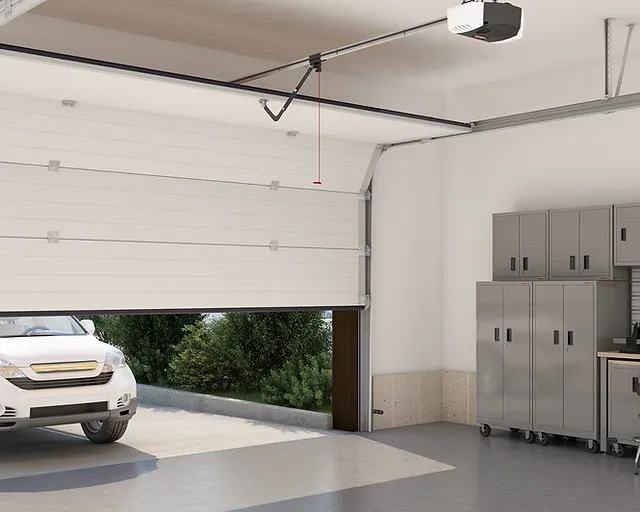
7 Proven Ways to Stop a Garage Door From Squeaking
1. Lubricate All Moving Parts Properly
One of the most effective ways to reduce garage door noise is proper lubrication. Most squeaks come from metal parts rubbing against each other without enough protection.
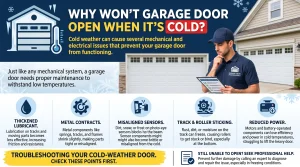
Focus on key components such as hinges, rollers, bearings and springs. Using a garage-door-specific lubricant is important, especially in Sussex, WI, where temperature swings can cause standard lubricants to dry out or thicken.
Lubrication should be applied lightly and evenly. Too much product can attract dust and dirt, which may create additional problems over time.
Regular lubrication every three to six months can significantly improve performance and prevent future squeaking.
For more insight into long-term causes, check out “What Causes Garage Door Squeaking Over Time.”
2. Check and Tighten Loose Hardware
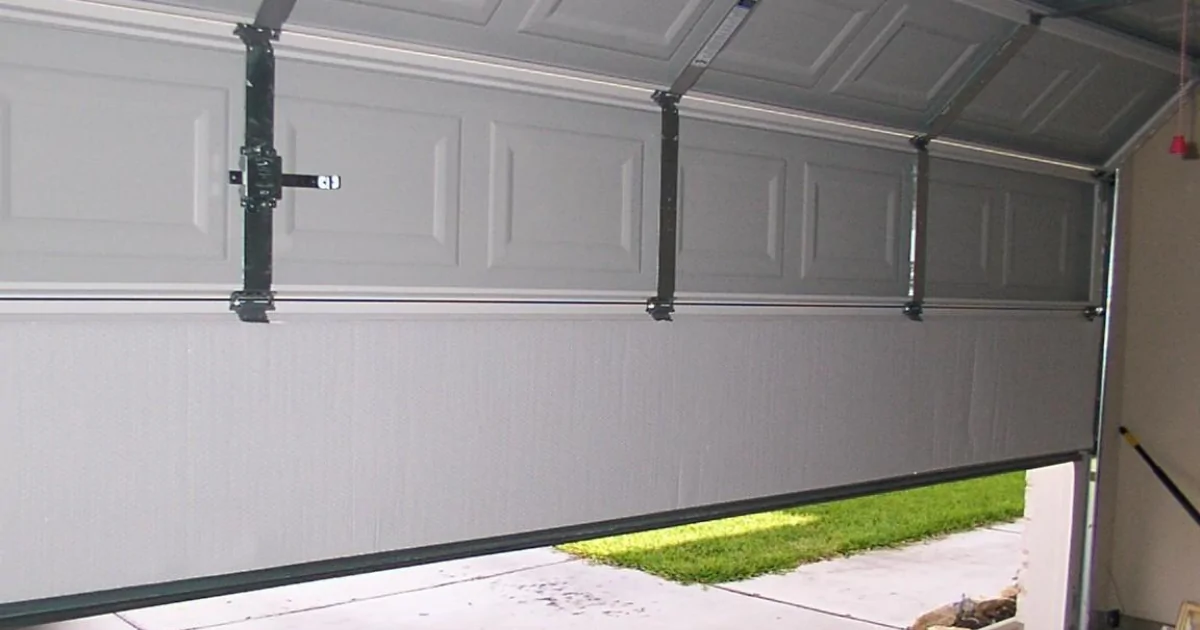
Garage doors are used multiple times every day. Over time, this constant movement can loosen bolts, nuts and brackets.
Loose hardware often causes rattling or squeaking sounds as parts shift during operation. A simple inspection of the door’s components can reveal areas that need tightening.
Pay close attention to:
- Hinges connecting door panels
- Brackets holding the tracks
- Roller mounts
Tightening should be done carefully. Overtightening can strain components or cause alignment issues, which may lead to further noise or damage.
To better understand when noise signals a bigger issue, read “Is Garage Door Squeaking a Sign of a Problem.”
3. Inspect the Rollers for Wear and Tear
Rollers help the garage door move smoothly along the tracks. When they become worn, cracked, or dirty, they can produce noticeable squeaking or grinding sounds.
Steel rollers, which are common in older systems, tend to be louder than newer nylon options. Over time, even high-quality rollers wear out due to regular use.
Signs of worn rollers include:
- Visible cracks or chips
- Wobbling movement
- Increased noise during operation
Replacing rollers is typically considered a moderate repair in terms of cost, but it can make a significant difference in both noise reduction and overall performance.
4. Clean the Tracks
Garage door tracks guide the movement of the door. When dirt, dust, or debris builds up inside the tracks, it creates resistance that can lead to squeaking.
Cleaning the tracks is a simple but often overlooked step. A clean cloth or soft brush can be used to remove buildup.
It is important to avoid applying heavy lubrication inside the tracks. While it may seem helpful, excess lubricant can attract dirt and make the problem worse over time.
Keeping tracks clean allows rollers to move freely and reduces unnecessary friction.
5. Look for Rust or Corrosion
Rust is a common issue in areas like Sussex, WI, where humidity and seasonal weather changes affect metal components.
When rust forms on hinges, springs, or rollers, it creates rough surfaces that increase friction and noise. In early stages, rust may only cause minor squeaking. Over time, it can weaken parts and lead to failure.
Light rust may be manageable with cleaning, but more severe corrosion usually requires part replacement.
Regular inspections can help catch rust early before it becomes a costly issue.
6. Check the Springs
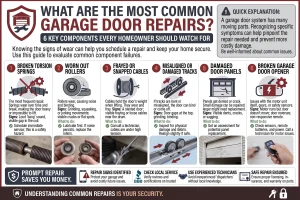
Garage door springs are one of the most important and most dangerous components of the system. They are responsible for lifting and balancing the door and operate under high tension.
When springs begin to wear out, they can produce squeaking or creaking sounds. Other warning signs include uneven movement or difficulty opening the door.
Because of the safety risks involved, spring repairs should always be handled by a trained professional. Attempting to fix springs without proper tools and experience can lead to serious injury.
Spring-related repairs are typically on the higher end in terms of cost, but they are essential for safe operation.
7. Schedule Routine Garage Door Maintenance
Routine maintenance is one of the best ways to prevent squeaking and extend the life of a garage door system.
For homeowners in Sussex, WI, annual maintenance is highly recommended due to temperature fluctuations that can affect performance.
A standard maintenance visit often includes:
- Lubricating moving parts
- Inspecting components for wear
- Tightening hardware
- Checking alignment and balance
Regular servicing helps identify small issues before they turn into larger, more expensive problems.
How to Prevent a Garage Door From Squeaking Again
Preventing squeaks is often easier than fixing them after they appear. Consistent care can keep a garage door operating quietly and efficiently.
Simple prevention tips include:
- Lubricating moving parts every few months
- Keeping tracks clean and free of debris
- Checking for loose hardware regularly
- Replacing worn parts early
- Scheduling yearly inspections
In Sussex, WI, seasonal maintenance, especially before winter, can help prevent weather-related issues.
What to Check Before Calling a Professional
Before reaching out for service, a basic inspection can help narrow down the issue.
Things to look for include:
- The exact location of the noise
- Whether it occurs during opening, closing, or both
- Any visible signs of wear or damage
- The condition of rollers and hinges
Providing this information can help a technician diagnose the problem more efficiently and recommend the right solution.
When to Call a Garage Door Expert in Sussex, WI
Some garage door problems go beyond simple maintenance and require professional attention.
A local expert should be contacted if:
- The squeaking continues after lubrication and adjustments
- Springs or cables appear worn or damaged
- The door moves unevenly or becomes stuck
- There are safety concerns during operation
Professional technicians have the training and tools to safely handle complex repairs and ensure the system is functioning properly.
How Much Does It Cost to Fix a Squeaky Garage Door
The cost of fixing a squeaky garage door depends on the underlying cause.
General cost ranges include:
- Basic lubrication and adjustments: low cost
- Roller replacement: moderate cost
- Spring repair or replacement: higher cost
Addressing the issue early is usually more affordable than waiting for more serious damage to occur.
Local Considerations for Sussex, WI Homeowners
Garage doors in Sussex, WI face unique challenges due to the local climate, including the performance of the garage door opener, which can also be affected by temperature changes.
Important factors include:
- Cold winters that cause metal parts to contract and stiffen
- Humidity that increases the risk of rust
- Seasonal expansion and contraction that affects alignment
Because of these conditions, regular inspections and maintenance are especially important for long-term performance, including ensuring the garage door opener operates smoothly year-round.
Common Mistakes That Can Make the Problem Worse
Some well-intentioned actions can actually increase garage door noise or lead to damage, whether it’s a residential system or a commercial overhead door used more frequently throughout the day.
Common mistakes include:
- Using the wrong type of lubricant
- Applying too much lubricant
- Ignoring early warning signs
- Attempting high-risk repairs without proper tools
- Skipping regular maintenance
Avoiding these mistakes can help maintain a quieter and more reliable garage door system, including high-traffic commercial overhead doors that require consistent upkeep.
Keep Your Garage Door Quiet, Safe and Reliable
A squeaky garage door is often a sign that something needs attention, especially for a residential garage door that is used daily. While the issue may start as a minor inconvenience, it can quickly develop into a more serious problem if left unchecked.
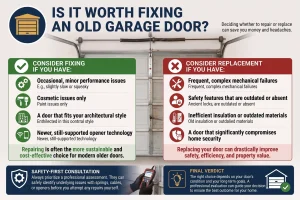
Regular maintenance, proper lubrication and early inspections can help reduce noise and extend the life of the system. For more complex issues, especially those involving springs or structural components, professional service is the safest and most effective solution.
For homeowners in Sussex, WI, staying proactive is key. Weather conditions can accelerate wear, making routine care even more important.
Keeping a residential garage door in good condition not only reduces noise but also ensures safe, smooth operation for years to come.
Trusted Garage Door Service in Sussex, WI
For reliable service and expert care, homeowners can count on Anytime Garage Doors for professional inspections, maintenance and repairs tailored to local conditions. Whether the issue is minor squeaking or a more complex concern, getting the right help early can make all the difference. Contact us today or give us a call to schedule service and keep your garage door running like new.