A squeaky garage door can quickly go from a minor annoyance to a daily frustration especially during quiet mornings or late evenings. That sharp, high-pitched sound is often a sign that something inside the system is not working as smoothly as it should and may indicate the need for professional garage door service.
In many cases, the noise is caused by simple wear and tear. But in other situations, it can point to parts that are beginning to fail. Ignoring these sounds may lead to more expensive repairs down the line.
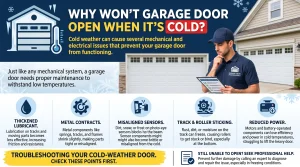
For homeowners in Sussex, garage doors deal with additional stress due to changing seasons. Cold winters, humidity and temperature swings can all affect how the system performs. Metal contracts in the cold, moisture can lead to rust and everyday use adds pressure on moving parts.
Understanding the causes behind a squeaky garage door and knowing what to look for can help keep it running quietly, safely and reliably.
What Causes a Garage Door to Squeak
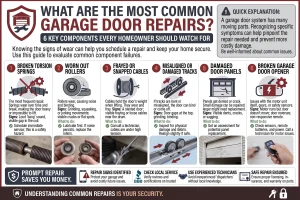
A garage door typically squeaks due to dry or worn components such as rollers, hinges, springs, or tracks. Lack of proper lubrication, loose hardware, or seasonal weather changes in Sussex, WI can increase friction and lead to noise. Routine maintenance is the most effective way to prevent these issues.
For more detailed guidance, check out our blog “How to Stop a Garage Door From Squeaking.”
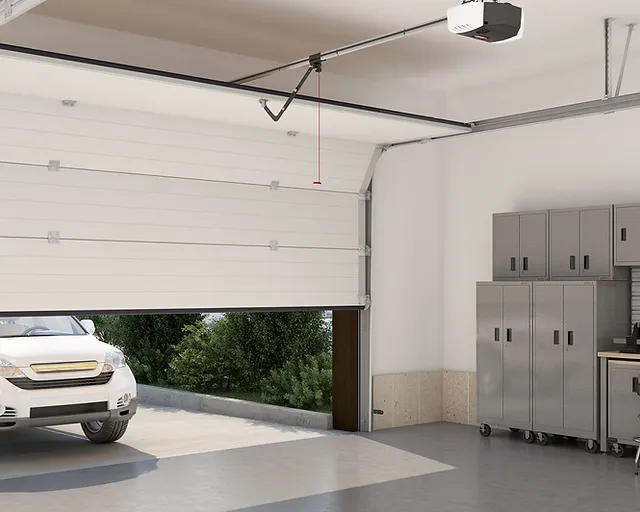
7 Common Reasons Your Garage Door Is Squeaking
1. Dry Rollers
Garage door rollers are responsible for guiding the door smoothly along its tracks. When they are properly lubricated, movement is quiet and consistent. However, once lubrication wears off, friction increases and that’s when squeaking begins.
Metal rollers are especially prone to noise compared to nylon rollers. Over time, they can wear down or develop rough spots that make movement less smooth.
In Sussex, WI, colder temperatures can cause lubrication to dry out faster, making this issue more common during winter months.
What to check:
- Rollers that appear dry or worn
- Squeaking or grinding as the door moves
Helpful tip:
Using a garage door-specific lubricant helps reduce friction. General-purpose sprays may provide temporary relief but are not designed for long-term use.
For a deeper understanding of long-term causes, check out the blog “What Causes Garage Door Squeaking Over Time.”
2. Worn or Rusty Hinges
Hinges allow the garage door panels to bend as the door opens and closes. Because they are constantly in motion, they are one of the most active parts of the system.
Over time, exposure to moisture can cause rust to develop. This is especially common in areas like Sussex, where humidity levels can fluctuate throughout the year.
Rusty hinges often create a sharp squeaking sound and may also cause the door to move unevenly.
What to check:
- Visible rust or discoloration
- Hinges that appear stiff or resistant
Learn more about whether this issue could signal something serious in the blog “Is Garage Door Squeaking a Sign of a Problem.”
3. Loose Hardware
Garage doors rely on multiple brackets, bolts and screws to stay properly aligned. With daily use, vibration can slowly loosen these components.
When hardware becomes loose, parts may shift slightly out of position. This can create both rattling and squeaking noises during operation.
What to check:
- Loose bolts along the tracks or frame
- Unusual shaking when the door moves
Routine inspections can help catch these issues early before they affect overall performance.
4. Lack of Proper Lubrication
Lubrication plays a key role in keeping a garage door operating quietly. Without it, metal parts rub against each other, creating friction and noise.
This is one of the most common and preventable causes of a squeaky garage door.
In colder climates like Sussex, WI, lubrication can thicken or lose effectiveness faster, making regular application even more important.
Best practices:
- Apply lubricant every 3–6 months
- Focus on rollers, hinges and springs
- Use products specifically made for garage doors
5. Worn-Out Springs
Garage door springs carry the weight of the door and help it open and close smoothly. When these springs begin to wear out, they can produce squeaking, creaking, or popping sounds.
This issue should always be taken seriously. Springs are under high tension and can be dangerous if handled improperly.
Warning:
Repairs involving springs should be handled by trained professionals. Attempting to fix them without proper tools can lead to serious injury.
6. Misaligned or Dirty Tracks
Tracks guide the movement of the garage door. If they become dirty or misaligned, the door may not move smoothly, which can lead to squeaking or scraping sounds.
Debris such as dust, leaves, or small particles can build up over time, especially in garages that are frequently used.
What to check:
- Dirt or buildup inside the tracks
- Uneven spacing or alignment issues
Keeping tracks clean helps maintain smooth and quiet operation.
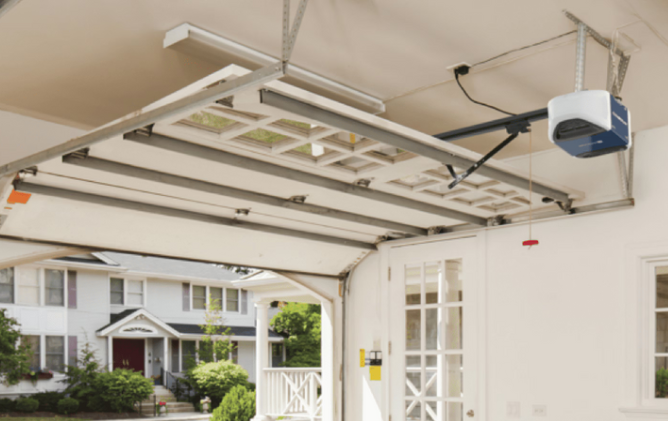
7. Aging Garage Door Opener
Sometimes, the noise comes from the garage door opener rather than the door itself. As the opener ages, its motor and internal components may begin to wear out.
This can result in squeaking, humming, or grinding sounds during operation.
Older systems are more likely to develop these issues, particularly if they have not been regularly serviced.
How Sussex, WI Weather Affects Garage Door Noise
Garage doors in Sussex experience a wide range of weather conditions throughout the year.
During winter, cold temperatures cause metal components to contract. This can make movement less smooth and increase friction between parts. At the same time, lubrication may thicken or become less effective.
In warmer months, humidity can lead to rust and corrosion, especially on exposed metal components like hinges and springs.
Seasonal expansion and contraction can also affect alignment, which may contribute to ongoing noise issues.
Because of these factors, garage door maintenance is especially important in regions with changing climates.
What You Should Check Before Calling a Professional
Before scheduling a service appointment, a few simple observations can help identify the source of the noise.
- Listen carefully to where the sound is coming from
- Look for visible rust, dirt, or worn components
- Check if the door opens and closes evenly
- Notice if the noise is worse during certain weather conditions
While these steps can provide helpful clues, certain components, such as springs and cables, should never be handled without proper training.
Simple Ways to Prevent a Squeaky Garage Door
Regular Lubrication Routine
Keeping moving parts lubricated is one of the most effective ways to prevent squeaking. A simple routine every few months can significantly reduce friction and wear.
Seasonal Maintenance
Preparing a garage door before winter helps prevent cold-weather issues. In Sussex, WI, this step can make a noticeable difference in performance during colder months.
Keep Tracks Clean
Clean tracks allow rollers to move smoothly. Removing dirt and debris regularly helps prevent unnecessary strain on the system.
Schedule Annual Professional Inspection
A yearly inspection can identify small issues before they become major problems. This helps extend the life of the garage door and keeps it operating safely.
Residential vs. Commercial Garage Door Noise
Not all garage doors are the same. Residential garage doors are typically lighter and used a few times per day, while commercial overhead doors are heavier and operate more frequently.
Because of this, commercial systems may experience wear more quickly and require more frequent maintenance.
Regardless of the type, the causes of squeakingsuch as lack of lubrication or worn partsare generally similar.
Types of Garage Doors and Their Noise Levels
Different types of garage doors can produce different levels of noise.
- Steel doors: Durable but can be noisier without proper insulation
- Wood doors: Quieter but more sensitive to moisture
- Insulated doors: Typically operate more quietly
Choosing the right door and maintaining it properly can help reduce long-term noise issues.
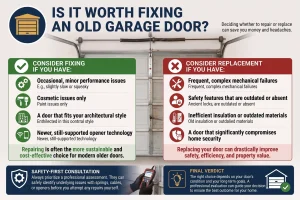
When Should You Call a Garage Door Professional
Some problems require expert attention to ensure safety and proper repair.
- Squeaking continues after maintenance
- Loud grinding or popping sounds develop
- The door feels heavy or uneven
- Springs or cables appear damaged
Professionals have the experience and tools needed to diagnose and fix these issues safely.
Average Cost to Fix a Squeaky Garage Door in Sussex, WI
The cost of fixing a squeaky garage door depends on the underlying issue.
- Minor maintenance is generally low cost
- Replacing parts like rollers or hinges falls into a moderate range
- Repairs involving springs or openers are typically higher
Addressing the issue early often helps avoid more expensive repairs later.
Common Mistakes That Make Garage Door Noise Worse
Some well-intentioned actions can actually increase noise or cause damage to the garage door system and even affect the garage door opener.
- Using the wrong type of lubricant
- Applying too much lubricant
- Ignoring early warning signs
- Attempting risky repairs without proper tools
- Skipping regular maintenance
Avoiding these mistakes can help maintain a quieter and more reliable system, including the performance of the garage door opener.
Long-Term Maintenance Plan for Sussex, WI Homeowners
A consistent maintenance routine can prevent most garage door noise issues for both residential systems and a commercial overhead door.
Every 3–6 months:
- Lubricate moving parts
- Inspect rollers and hinges
Before winter:
- Check lubrication
- Inspect for rust or wear
Annually:
- Schedule a professional inspection
This approach helps extend the lifespan of the system and ensures smoother operation year-round, especially for high-use systems like a commercial overhead door.
Don’t Ignore That Squeak
A squeaky garage door may seem like a small issue, but it often signals underlying wear or maintenance needs, especially for a residential garage door that is used daily. Addressing the problem early can prevent more serious damage and keep the system operating efficiently.
For homeowners in Sussex, staying proactive is especially important due to seasonal weather changes. Regular maintenance, proper lubrication and timely professional service can keep a residential garage door quiet, safe and reliable.
Professional Garage Door Service You Can Trust in Sussex, WI
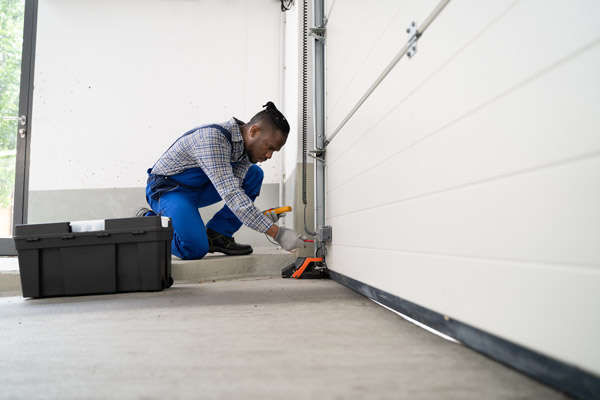
For those looking for reliable help, Anytime Garage Doors is known for providing dependable service and experienced solutions for both minor noise issues and more complex garage door problems. Our team understands the local climate and how it affects garage door systems, making them a trusted choice in the area. Contact us today or give us a call to schedule a professional inspection and keep your garage door running smoothly and quietly.