A squeaky garage door might seem like a small annoyance, but in many cases, it is an early warning sign of wear and tear. In quiet neighborhoods across Sussex, WI, that high-pitched noise can be especially noticeable during early mornings or late evenings.
More importantly, unusual garage door noise often points to underlying issues that can worsen over time. Cold winters, humidity and seasonal temperature changes in Wisconsin can speed up the wear on moving parts, making regular maintenance and timely garage door service even more important.
Understanding what causes garage door squeaking can help prevent costly repairs, improve safety and keep the system running smoothly year-round.
Lack of Proper Lubrication
One of the most common causes of garage door squeaking is insufficient lubrication. Garage doors rely on multiple moving parts: rollers, hinges, springs and tracks that create friction as the door opens and closes.
Over time, lubrication dries out, especially in colder climates like Sussex, WI. When this happens, metal components begin to rub against each other, producing that familiar squeaking or grinding sound.
What to Watch For
- High-pitched squeaks during movement
- Jerky or uneven door operation
- Increased noise during colder months
Helpful Tip
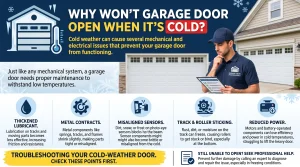
Applying a silicone-based lubricant every 3–6 months can significantly reduce friction and noise. Lubrication is especially important before winter, when low temperatures can cause parts to stiffen.
For more practical guidance, check out the blog How to Stop a Garage Door From Squeaking.
Worn-Out or Damaged Rollers
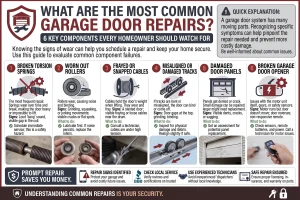
Rollers help guide the garage door along its tracks. Over time, these rollers can wear down, crack, or lose their smooth rotation.
Metal rollers tend to become noisier as they age, while nylon rollers may wear out silently before eventually causing uneven movement. In many Sussex homes, older garage doors still use metal rollers, which are more prone to squeaking.
What to Check
- Visible cracks or wear on rollers
- Wobbling or uneven movement
- Rattling sounds during operation
Expert Insight
Roller wear is a common issue found during routine garage door inspections. Replacing worn rollers can improve both performance and noise levels.
For a deeper look into common noise issues, explore the blog Why Is My Garage Door Squeaking When It Opens.
Loose Hardware and Daily Vibrations
Garage doors typically open and close several times each day. Over time, this repeated movement creates vibrations that can loosen bolts, screws and brackets.
Loose hardware allows components to shift slightly during operation, leading to rattling and squeaking sounds.
What to Look For
- Loose brackets or hinges
- Rattling noises alongside squeaking
- Slight movement in door panels
Quick Tip
A simple inspection every few months can help identify loose parts early. Tightening hardware carefully can reduce noise, but overtightening should be avoided to prevent damage.
Learn more about warning signs in the blog Is Garage Door Squeaking a Sign of a Problem.
Worn Hinges Creating Friction
Hinges play a key role in allowing the garage door to bend and move smoothly along the track. As these hinges age, they can become stiff, bent, or worn out.
When hinges no longer move freely, metal surfaces begin to grind against each other, producing a noticeable squeak.
Signs of Hinge Wear
- Stiff or resistant movement
- Visible rust or bending
- Uneven door motion
Regular lubrication can help extend hinge life, but severely worn hinges may require replacement to restore quiet operation.
Rust and Corrosion from Wisconsin Weather
Sussex, WI experiences a wide range of weather conditions, including snow, rain and humidity. These environmental factors can lead to rust and corrosion on metal garage door components.
Rust increases friction between parts, which often results in squeaking or grinding noises. Left unaddressed, corrosion can weaken components and affect overall performance.
Prevention Tips
- Inspect metal parts before and after winter
- Keep components clean and dry when possible
- Apply lubricant to protect against moisture
Seasonal maintenance is especially important in Wisconsin, where changing conditions can accelerate wear.
Misaligned or Dirty Tracks
Garage door tracks guide the rollers and keep the system moving in a straight path. When tracks become dirty or slightly misaligned, they can create resistance that leads to squeaking or scraping sounds.
Debris such as dust, leaves, or small particles can build up over time, especially during fall and winter in Sussex.
What to Check
- Dirt or debris inside the tracks
- Gaps or uneven alignment
- Unusual resistance when the door moves
Keeping tracks clean and ensuring proper alignment can help reduce unnecessary strain on the system.
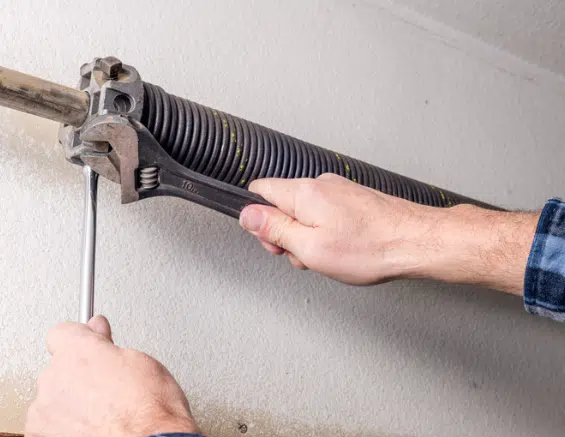
Aging Garage Door Springs
Garage door springs carry most of the door’s weight, making them one of the most important components in the system. As springs age, they begin to lose tension and may produce squeaking noises during operation.
This type of noise can signal that the springs are under stress or nearing the end of their lifespan.
Warning Signs
- Squeaking or creaking during lifting
- Door feels heavier than usual
- Uneven or slow movement
Important Note
Garage door springs are under high tension and can be dangerous to handle without proper tools and training. Professional service is recommended for inspection and replacement.
Garage Door Opener Issues
Not all garage door noise comes from the door itself. In some cases, the opener system may be the source of the squeaking or humming sounds.
Chain-driven openers are typically louder than belt-driven models and over time, internal components can wear out or become misaligned.
Common Indicators
- Noise coming from the motor unit
- Delayed or inconsistent operation
- Vibrations during use
Regular servicing of the opener can help maintain smooth and quiet performance.
Lack of Regular Maintenance
Many garage door noise issues develop gradually due to a lack of routine maintenance. Small problems, such as dry parts or loose hardware, can turn into larger issues if ignored.
A consistent maintenance schedule helps catch these problems early and keeps the system running efficiently.
How to Prevent Garage Door Squeaking in Sussex, WI
Preventing garage door squeaking is often simpler than fixing it after the problem worsens. A proactive approach can extend the life of the system and reduce the risk of unexpected breakdowns.
Every 3–6 Months
- Lubricate moving parts
- Inspect rollers and hinges
Before Winter
- Check for rust or corrosion
- Reapply lubricant to protect against cold temperatures
Annually
- Schedule a professional inspection
- Identify worn components early
These steps are especially important in Sussex, where seasonal changes can impact garage door performance.
When to Call a Professional Garage Door Technician
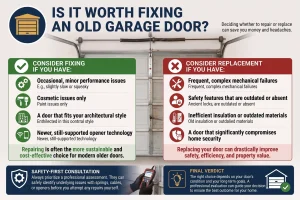
While some minor maintenance tasks can be handled safely, certain issues require professional attention, especially when the garage door opener or other key components are involved.
Consider Professional Service If:
- Squeaking continues after lubrication
- Springs show signs of wear or imbalance
- Rollers or hinges appear damaged
- The door operates unevenly or feels heavy
- The garage door opener is making unusual noises or not functioning properly
Average Cost Insight
Basic maintenance services are generally low in cost, while part replacements may fall into a moderate range. More complex repairs, especially those involving springs or garage door opener systems, may require a higher investment depending on the extent of the issue.
Professional service ensures that repairs are done safely and correctly, reducing the risk of further damage.
Why Sussex, WI Homeowners Should Stay Proactive
Garage doors in Sussex face unique challenges due to local weather conditions, especially for both residential systems and commercial overhead door setups. Cold winters can stiffen metal components, while humidity increases the risk of rust.
Staying proactive with maintenance not only reduces noise but also helps avoid costly repairs and extends the life of the entire system. A quiet, well-functioning garage door also improves daily comfort, safety and convenience.
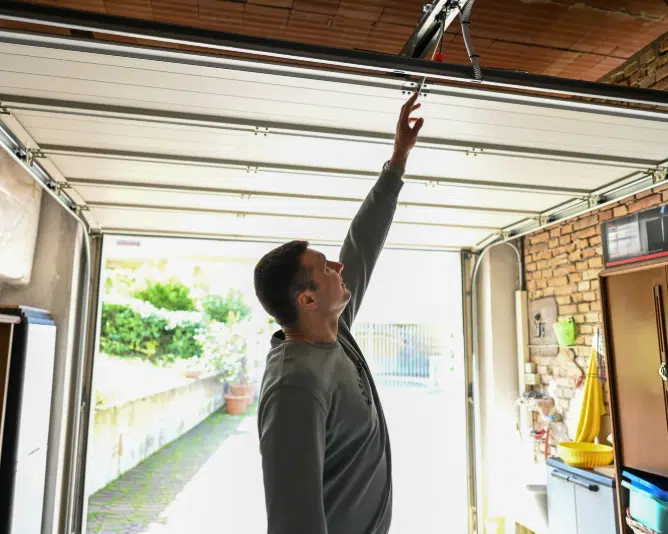
Don’t Ignore the Squeak
A squeaky residential garage door is more than just an inconvenience; it is often a sign that something needs attention. From lack of lubrication to worn components, several factors can contribute to garage door noise over time.
Addressing these issues early can prevent more serious problems and keep the system operating smoothly. Regular maintenance, seasonal care and timely professional service are key to ensuring long-term performance.
Professional Garage Door Service You Can Trust in Sussex, WI
For homeowners in Sussex, WI looking for reliable and experienced service, Anytime Garage Doors offers professional inspections, maintenance and repairs designed to keep garage doors quiet and safe year-round. Contact us today or give us a call to schedule a service and prevent small issues from turning into costly repairs while keeping your garage door operating at its best.